READING_TIME: 8 minutes
—
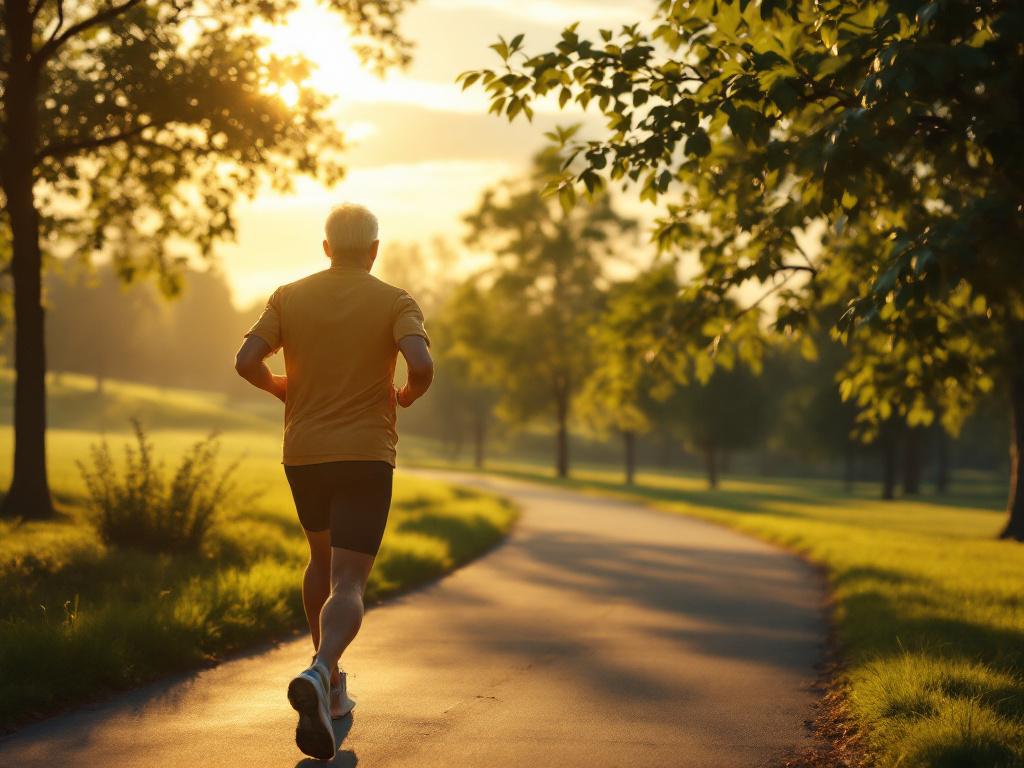
Imagine being 60 years old with a heart that functions like you’re 40. Your sleep is deeper than it’s been in decades. Your muscles are stronger, your energy is abundant, and your risk of chronic disease has dropped dramatically.
This isn’t wishful thinking. It’s the documented reality of what strategic exercise delivers for longevity.
Here’s what excites me most: Our parents’ generation accepted aging as inevitable decline. They didn’t have access to the information we have today. We now know, with scientific certainty, that we can influence our biological age in profound ways. The question isn’t whether exercise extends life—it’s how to do it most effectively.
Let me walk you through the most compelling discoveries about how movement becomes medicine.
YOUR HEART CAN ACTUALLY GET YOUNGER 💓
More than half of adults today have a “heart age” older than their chronological age. If you’re 50 with a sedentary lifestyle, your heart might function like it’s 60 or 65. The implications are sobering, but the solution is remarkably straightforward.
Groundbreaking research has identified a specific two-year cardio protocol that doesn’t just slow heart aging—it reverses it. We’re talking about an 18 percent improvement in VO₂ max (your body’s ability to use oxygen) and actual reversal of stiffening in the heart’s left ventricle.
These aren’t minor changes. VO₂ max and heart flexibility are two of the strongest predictors of how long you’ll live and how well you’ll function in those years.
The protocol works in three distinct phases:
Phase One: Build Your Aerobic Base
Start with consistent moderate-intensity cardio where you can still hold a conversation but feel your heart working. This foundation is non-negotiable. Think brisk walking, cycling, or swimming for 30 to 45 minutes, most days of the week.
Phase Two: Add Steady-State Intensity
Once your base is solid, incorporate sessions where you’re working at a challenging but sustainable pace. You’re breathing hard but can maintain the effort for 20 to 30 minutes.
Phase Three: High-Intensity Intervals
The final piece involves short bursts of maximum effort followed by recovery periods. These intervals create the metabolic stress that triggers your heart to adapt and strengthen.
The beauty of this approach? It’s not about punishing yourself with endless cardio. It’s about strategic variety that signals your cardiovascular system to rebuild itself younger.
THE UNEXPECTED SLEEP SOLUTION HIDING IN YOUR MUSCLES 💪
If I told you that lifting weights improves your sleep better than meditation or cardio, would you believe me?
A comprehensive analysis of 25 randomized trials just confirmed something remarkable: strength training beats all other forms of exercise for improving sleep quality. Not yoga. Not running. Lifting weights.
Why? Your muscles are metabolic powerhouses. When you build strength, you’re not just getting bigger biceps—you’re fundamentally improving how your body regulates hormones, manages blood sugar, and stabilizes your nervous system. All of these factors are crucial for quality sleep.
Here’s what actually works:
The Minimum Effective Dose
Just 2 to 3 strength training sessions per week, 20 minutes each, focusing on major muscle groups. You don’t need a gym membership or fancy equipment. Wall push-ups, resistance bands, bodyweight squats, and arm curls with household items all count.
The Compound Movement Advantage
Focus on exercises that work multiple muscle groups: legs, glutes, back, chest, shoulders, and core. These compound movements give you the most metabolic benefit for your time investment.
The Progressive Overload Principle
Gradually increase the challenge over time. This could mean more repetitions, heavier resistance, or slower tempo. Your muscles need consistent challenge to trigger the hormonal cascade that improves sleep.
Think about it: Better sleep means better recovery. Better recovery means more energy for movement. More movement means extended healthspan. It’s a virtuous cycle that starts with picking up something heavy a few times a week.
THE CARDIOVASCULAR PROTECTION YOU CAN’T AFFORD TO IGNORE ❤️
Let’s talk about something that affects nearly everyone as they age: cardiovascular risk. Heart disease remains the leading cause of death globally, but recent research has uncovered protection mechanisms that go beyond traditional advice.
A massive analysis of nearly one million patients with type 2 diabetes revealed that specific interventions can reduce stroke and heart attack risk by 13 to 18 percent. These aren’t small numbers—we’re talking about hundreds of thousands of lives extended and improved.
What’s fascinating is that these protective benefits appeared early and operated independently of weight loss. This challenges the conventional wisdom that you need to lose significant weight to see cardiovascular improvements.
The takeaway? Consistent movement creates biological changes at the cellular level that protect your heart regardless of what the scale says. Your arteries become more flexible. Your blood pressure regulates more effectively. Your inflammatory markers drop.
MOVEMENT AS CELLULAR MEDICINE 🔬
Here’s something most people don’t realize: Exercise doesn’t just make you “fit” in the conventional sense. It’s triggering changes at the molecular level that influence how your cells age.
Recent investigations into NAD+ metabolism—a crucial cellular energy pathway—show that certain interventions can raise levels of this vital molecule in ways that improve oxygen delivery throughout your body. When combined with regular exercise, these effects compound.
Your red blood cells carry oxygen more efficiently. Your mitochondria (the powerhouses of your cells) function more effectively. Your tissues recover faster from daily wear and tear.
This is why people who maintain consistent exercise routines often report feeling more “alive” regardless of their chronological age. They’re not imagining it—their cells are literally functioning younger.
THE SOCIAL LONGEVITY FACTOR 👥
Here’s an aspect of exercise and longevity that doesn’t get enough attention: the social component. Research consistently shows that social isolation is a significant risk factor for cognitive decline and early mortality—comparable to smoking or obesity.
When you engage in group fitness activities, sports leagues, or even regular walking groups, you’re addressing multiple longevity factors simultaneously:
Physical movement that strengthens your cardiovascular system
Social connection that protects cognitive function
Purpose and routine that support mental health
Accountability that keeps you consistent
The people who live longest in Blue Zones around the world don’t go to gyms—they move naturally throughout their day and maintain strong social bonds. You can replicate this by choosing physical activities that connect you with others.
YOUR 90-DAY MOVEMENT PLAN 📅
Knowing the science is one thing. Implementation is everything. Here’s a practical 90-day framework to start reversing your biological age:
Days 1 to 30: Foundation Phase
Commit to 30 minutes of moderate movement daily. Walking counts. So does gardening, dancing, or playing with your kids. Add two 20-minute strength sessions per week using bodyweight exercises or light resistance bands.
Days 31 to 60: Intensity Phase
Continue your daily movement but increase intensity twice weekly. Add one steady-state cardio session where you’re breathing hard for 20 to 30 minutes. Increase your strength sessions to three times weekly with slightly heavier resistance.
Days 61 to 90: Optimization Phase
Introduce one high-intensity interval session per week. Keep your steady-state cardio and three strength sessions. Maintain daily moderate movement. By day 90, you’ll have established a sustainable routine that addresses all aspects of exercise longevity.
The key? Consistency beats intensity every single time. A moderate routine you maintain for years will always outperform an aggressive program you abandon after weeks.
WHAT ABOUT RECOVERY? 🛌
Here’s a truth that took me years to understand: Rest is not the opposite of exercise—it’s part of the protocol.
Your body doesn’t get stronger during workouts. It gets stronger during recovery. When you strength train, you’re creating micro-tears in muscle fibers. When you do cardio, you’re stressing your cardiovascular system. The adaptation—the getting younger part—happens when you rest.
Quality sleep is non-negotiable. Aim for 7 to 9 hours nightly. Remember, strength training improves sleep quality, creating a positive feedback loop.
Active recovery matters too. Light walking, gentle stretching, or easy swimming on rest days keeps blood flowing without adding stress. Think movement, not exercise.
Listen to your body. Persistent fatigue, declining performance, or increased irritability are signs you need more recovery, not more intensity.
THE NUTRITION CONNECTION 🥗
While this article focuses on movement, we can’t ignore nutrition’s role in exercise longevity. You can’t out-exercise a poor diet, but you also can’t nutrition your way out of a sedentary lifestyle. They work together.
Focus on adequate protein to support muscle recovery and growth. Aim for roughly 0.7 to 1 gram per pound of body weight daily, especially as you age.
Time your carbohydrates around your workouts for optimal performance and recovery. Your body needs fuel for intense exercise and replenishment afterward.
Stay hydrated. Even mild dehydration impairs performance and recovery. If you’re thirsty, you’re already behind.
Don’t fear healthy fats. They support hormone production, reduce inflammation, and help absorb crucial vitamins.
OVERCOMING THE BIGGEST OBSTACLES 🚧
Let me address the concerns I hear most often:
“I’m too old to start.”
You’re not. Studies show that even people in their 80s and 90s gain significant benefits from starting strength training. Your body retains its ability to adapt throughout life.
“I don’t have time.”
You need less than you think. Twenty minutes of strength training three times weekly, plus 30 minutes of daily movement, is enough to trigger profound changes. That’s less time than most people spend on social media daily.
“I have chronic pain or health conditions.”
Movement is often the solution, not the problem. Work with healthcare providers to find appropriate modifications. Nearly everyone can do something, and something is infinitely better than nothing.
“I’ve tried before and failed.”
Past attempts taught you what doesn’t work for you. Use that knowledge. Start smaller. Focus on consistency over intensity. Find activities you genuinely enjoy. Connect with supportive communities.
THE COMPOUND EFFECT OF SMALL ACTIONS ⚡
Here’s the most encouraging part of this entire discussion: Small, consistent actions compound into extraordinary results over time.
Walking 30 minutes daily seems insignificant on any given day. Over a year, that’s 182 hours of movement. Over a decade, it’s a completely different cardiovascular system.
Two 20-minute strength sessions weekly feel modest. Over months, that’s transformed muscle mass, bone density, and metabolic function.
The people with the most impressive longevity results aren’t the ones who did something extreme for a short time. They’re the ones who did something sustainable for a long time.
Your biological age one year from now is determined by the choices you make today and repeat tomorrow.
MEASURING YOUR PROGRESS 📊
How do you know if it’s working? Here are markers worth tracking:
Resting heart rate: As your cardiovascular fitness improves, your resting heart rate typically decreases. A lower resting heart rate indicates a more efficient heart.
Recovery heart rate: How quickly your heart rate drops after exercise improves with fitness. Check your heart rate immediately after stopping exercise, then again after one minute.
Sleep quality: Track how you feel upon waking. Increased energy and fewer nighttime awakenings indicate improvement.
Strength benchmarks: Can you do more push-ups than last month? Lift heavier weights? Hold a plank longer? These concrete measures show progress.
Daily energy: Subjective, but important. Do you have more energy for daily activities? Feel less fatigued in the afternoon?
Medical markers: Work with your healthcare provider to track blood pressure, cholesterol, blood sugar, and inflammatory markers over time.
CONCLUSION
The science is unequivocal: Strategic exercise can reverse heart aging by up to 20 years, dramatically improve sleep quality, reduce cardiovascular risk by up to 18 percent, and trigger cellular changes that extend both lifespan and healthspan.
But here’s what matters most: This isn’t about adding years to the end of life spent in decline. It’s about adding vibrant, energetic, capable years where you can fully engage with the people and activities you love.
Your parents’ generation didn’t have this information. You do. The question is what you’ll do with it.
The protocol isn’t complicated: Build an aerobic base with consistent moderate activity. Add strength training 2 to 3 times weekly for muscle, metabolic health, and sleep. Incorporate higher-intensity work as your fitness improves. Prioritize recovery and sleep. Stay consistent for months and years, not days and weeks.
Your 60-year-old self with a 40-year-old heart is waiting on the other side of decisions you make today.
CTA: What’s one small movement change you can commit to this week? Share your plan in the comments below. Your future self will thank you for starting today.
This blog is compiled from 11 sources.
Please note: Me, AI and underlying material can make mistakes.

Leave a comment