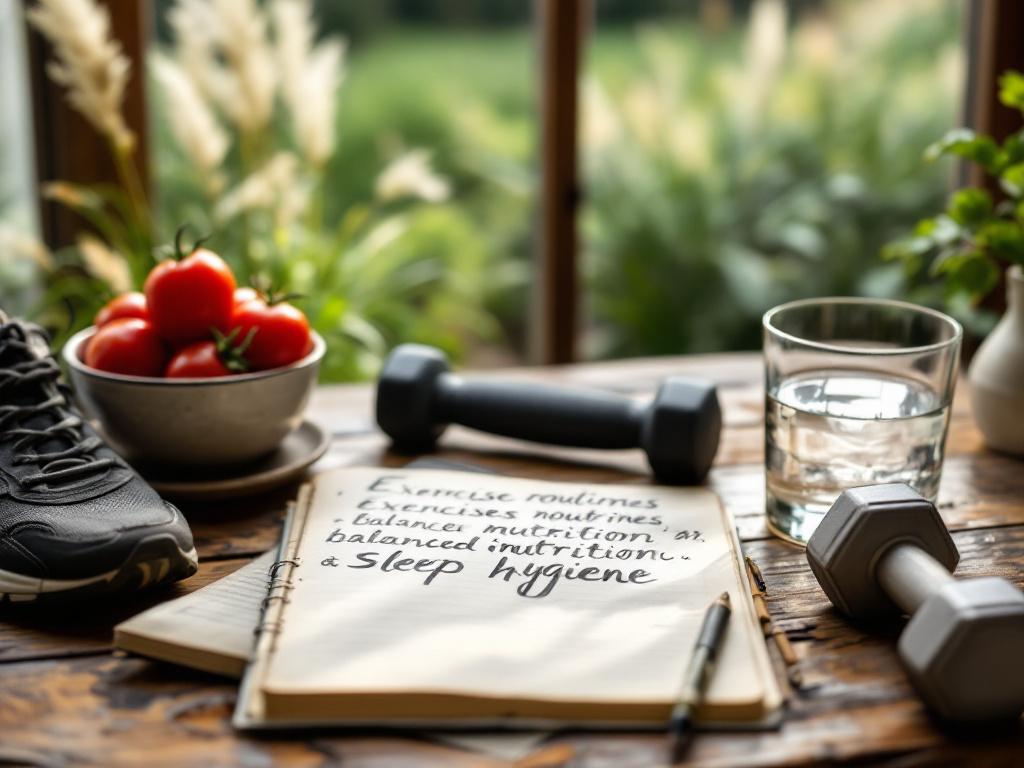
READING_TIME: 12 minutes
—
You’ve heard the promises: take this supplement, follow that diet, do these exercises, and you’ll live forever. But what if the real longevity breakthroughs aren’t about chasing immortality at all?
They’re about making small, strategic changes that compound over time.
Recent research reveals something extraordinary: your body has a remarkable capacity to repair, regenerate, and maintain itself when given the right inputs. And many of these inputs are surprisingly accessible.
Let me walk you through the most actionable longevity insights emerging from cutting-edge science—the kind that can transform your healthspan starting today.
🏃 The Exercise Molecule You’ve Never Heard Of
Here’s something that should make you rethink your relationship with movement: scientists have identified a compound called betaine that appears to be one of the key molecular drivers behind exercise’s anti-aging effects.
In a fascinating study, researchers tracked 13 male volunteers who ran regular 5-kilometer sessions for one month. What they discovered was remarkable. The kidneys began producing significantly more betaine during exercise, and this compound blocked an enzyme called TBK1 that’s been linked to inflammation and accelerated aging throughout the body.
But here’s where it gets really interesting: the benefits weren’t just temporary. After one month of regular running, participants showed:
• Reduced cellular aging markers
• Healthier gut microbiome composition
• Stronger immune responses
• Lower inflammation levels
These changes persisted even after the exercise program ended, suggesting that regular movement triggers lasting biological improvements.
The practical takeaway? You don’t need to become an ultramarathoner. Consistent, moderate exercise—even just 30 minutes of brisk walking most days—can trigger these protective molecular pathways. The key word is “regular.” Your body responds to patterns, not occasional heroic efforts.
🍅 The Tomato Effect: Simple Nutrition with Profound Impact
Sometimes the most powerful longevity interventions are hiding in plain sight—like in your produce aisle.
A comprehensive meta-analysis of 119 prospective studies examined the relationship between lycopene (the compound that gives tomatoes their red color) and cancer risk. The findings were striking.
People with higher lycopene intake—whether from diet or measured in blood levels—had significantly lower risks of:
• Developing cancer overall (5-11% reduction per 10 μg/dl increase in blood levels)
• Dying from cancer, especially pronounced for lung cancer with a 35% reduction
• Prostate cancer specifically (1% reduction for every 10mg of dietary lycopene daily)
Here’s the beautiful simplicity: You don’t need expensive supplements or complicated protocols. Tomatoes, especially cooked tomatoes (which increase lycopene bioavailability), watermelon, pink grapefruit, and papaya are all excellent sources.
A simple pasta sauce, tomato-based soup, or even salsa can deliver meaningful amounts of this protective compound. The key is consistency—making lycopene-rich foods a regular part of your eating pattern rather than an occasional addition.
💪 The Osteoporosis Prevention Strategy That Actually Works
Here’s a sobering truth: bone health isn’t just a concern for postmenopausal women. Men also experience significant bone density loss starting around age 60-65, yet they’re often diagnosed later because osteoporosis is mistakenly viewed as a “women’s disease.”
The typical advice—drink more milk, do some light exercises—is woefully inadequate. Recent research reveals what actually works.
Strength training is non-negotiable. Studies consistently show that resistance training at 60-80% of maximum capacity produces measurable improvements in bone density. This isn’t about lifting light dumbbells while watching TV—your bones need genuine mechanical stress to maintain and build density.
The research is clear: weight-bearing activities with impact elements (like jumping or quick movements) signal your bones to strengthen themselves. This biological adaptation doesn’t happen with passive interventions like calcium supplements alone.
The iron connection: Here’s an interesting twist—the “iron” that helps with osteoporosis isn’t the mineral iron, but rather iron weights. Lifting actual weights creates the mechanical load that stimulates bone formation.
A practical starting point: dedicate just 30 minutes per week to strength training. That’s only 0.3% of your week, but the impact on bone health, muscle mass, and metabolic function is profound. As you build capacity, work toward 3-4 sessions weekly for optimal benefits.
😴 The Sleep-Immunity Connection You Can’t Afford to Ignore
As cold and flu season arrives, one of your most powerful protective tools costs nothing and requires no prescription: quality sleep.
Research from Carnegie Mellon University exposed 153 healthy adults to a cold virus after assessing their sleep patterns. The results were dramatic.
People with sleep efficiency below 92%—meaning they spent time in bed but didn’t actually sleep well—had a 5.5-fold increased risk of developing a cold after virus exposure. Those sleeping less than seven hours nightly had nearly triple the risk compared to those getting eight hours or more.
Why this matters now: Your immune system performs critical maintenance and activation during sleep. Shortchanging sleep doesn’t just make you tired—it literally compromises your body’s ability to fight off infections.
The practical application is straightforward: during cold and flu season (and really, year-round), prioritize sleep consistency. Aim for 7-9 hours in a dark, cool room, with a consistent sleep schedule. It’s one of the most effective preventive measures available, and it’s completely free.
💊 The Hormone Therapy Shift That Changes Everything
In a landmark move, the FDA recently removed the warning label from hormone replacement therapy (HRT), marking a significant shift in women’s health.
For years, HRT was viewed with suspicion following a 2002 study that suggested increased health risks. But subsequent research revealed a more nuanced picture: for many women, particularly those starting HRT around menopause rather than years later, the benefits—including protection against bone loss, cardiovascular benefits, and improved quality of life—can significantly outweigh risks.
This policy change reflects evolving scientific understanding and opens new possibilities for women navigating menopause. It’s a reminder that medical guidance evolves as our understanding deepens, and what was once considered risky may prove beneficial when applied appropriately.
CONCLUSION:
The most powerful longevity strategies aren’t found in expensive supplements or extreme interventions. They’re embedded in consistent, evidence-based habits: regular movement that triggers protective molecular pathways, understanding your brain’s natural rhythms, eating lycopene-rich foods, building bone density through genuine strength training, prioritizing quality sleep, and staying informed about evolving medical guidance.
These aren’t quick fixes—they’re lifestyle foundations that compound over time. Start with one area that resonates most, build consistency, then expand. Your future self will thank you for the small decisions you make today.
CTA:
Which of these longevity strategies will you implement first? Share your thoughts in the comments below, and subscribe to stay updated on the latest science-backed health insights. Your journey to better healthspan starts with a single step—take it today.
This blog is compiled from 16 sources.
Please note: Me, AI and underlying material can make mistakes.

Leave a comment